
Hair loss can be worrying at any age or stage of life. While it's completely normal to shed between 50 and 100 hairs a day, noticeable thinning or excessive shedding can be concerning. For many women, hormonal changes are often the cause of hair loss.
Hormones influence many aspects of health, including mood, sleep, metabolism and reproductive health. They also play an important role in maintaining healthy hair growth. When hormone levels fluctuate, it can disrupt the hair growth cycle, leading to thinning hair or increased shedding.
In this guide, we'll explain the common causes of hormonal hair loss in women, the signs to look out for, treatment options that may help, and when it may be time to seek professional advice.
What is hormonal hair loss in women?
Hair grows in a continuous cycle that includes growth, transition, resting and shedding phases. Hormones help regulate this process by supporting the activity of hair follicles.
When hormone levels change – particularly oestrogen, progesterone and androgen hormones such as testosterone – this cycle can become disrupted. As oestrogen levels decline and androgen activity increases, hair follicles may gradually shrink. This can result in hair becoming finer, weaker and less dense over time.
Hormonal hair loss can occur during several stages of life, including pregnancy and menopause. It may also be linked to certain medical conditions that affect hormone balance.
What causes hormonal hair loss in women?
Menopause and perimenopause
Hair thinning is a common concern during perimenopause and menopause. During this stage, levels of oestrogen and progesterone naturally decline, while the effects of androgen hormones, such as testosterone, can become more noticeable.
Many women notice thinning around the crown or widening of their parting, while the frontal hairline often remains intact. Some women may also experience increased facial hair growth on the chin, upper lip or jawline due to changing androgen levels.
Pregnancy and postpartum changes
Pregnancy can affect hair in different ways. Some women notice thicker, fuller-looking hair due to elevated oestrogen levels, while others may experience changes in texture or density.
After childbirth, hormone levels rapidly return to their pre-pregnancy state. This drop in oestrogen can trigger a temporary form of hair loss known as telogen effluvium.
Telogen effluvium causes a higher number of hairs to enter the resting and shedding phase at the same time. Although it can be alarming, postpartum hair shedding is usually temporary.
Polycystic ovary syndrome (PCOS)
PCOS is a common hormonal condition that affects women of reproductive age. Women with PCOS often have higher levels of androgen hormones, which can contribute to scalp hair thinning while simultaneously causing excess hair growth on the face and body.
Hair loss associated with PCOS typically follows a female-pattern thinning sequence and may become more noticeable over time if left untreated.
Signs your hair loss could be hormonal
- Part widens – One of the earliest signs is a parting that appears wider than usual due to reduced hair density.
- Preserved hairline – Unlike some forms of hair loss, hormonal hair loss often leaves the front hairline relatively unchanged while thinning develops elsewhere.
-
Crown thinning – Reduced volume around the crown and top of the scalp is another characteristic symptom of female pattern hair loss linked to hormonal changes.
Treatment options for hormonal hair loss
1: Identify the underlying cause
If you're experiencing persistent or significant hair loss, it's important to seek medical advice.
A healthcare professional can assess your symptoms, review your medical history and perform tests if necessary. Blood tests may help identify underlying factors such as iron deficiency, thyroid disorders, nutritional deficiencies or hormone imbalances that could be contributing to hair loss.
Early diagnosis can help you find the most appropriate treatment plan.
2: Diet and nutrition
While no single food can prevent hair loss, maintaining a balanced diet may help support normal hair growth.
Key nutrients include:
- Vitamin B12: Found in eggs, dairy products, fish and fortified cereals.
- Vitamin D: Found in oily fish, egg yolks and fortified foods.
- Biotin: Found in eggs, nuts, seeds and sweet potatoes.
- Riboflavin (Vitamin B2): Found in lean meats, mushrooms, almonds and dairy products.
-
Iron: Found in red meat, spinach, lentils and fortified cereals.
3: Hair growth supplements
Nutritional supplements may help support healthy hair growth as part of an overall healthy lifestyle, as well as control hormonal hair loss.
Viviscal™ Hair Growth Vitamins For Women are scientifically formulated with the proprietary AminoMar™ C marine collagen complex, alongside biotin, zinc, vitamin C and iron, to help nourish hair from within and support healthy hair growth.
4: Medical treatments
Depending on the cause of hair loss, a healthcare professional may recommend medical treatments.
One commonly used treatment for female-pattern hair loss is minoxidil, a topical treatment that can help stimulate hair follicles and encourage hair growth. Minoxidil should always be used according to healthcare guidance and product instructions.
Other treatments may be recommended depending on the underlying hormonal condition.
Is hormonal hair loss reversible?
If hormones are causing you to have hair loss, you need to find the right treatment in order for it to grow back.
Support healthy hair growth with Viviscal™
Hormonal changes can affect the appearance, thickness, and fullness of your hair, but there are steps you can take to support healthy growth. Viviscal™ hair supplements are scientifically formulated with a proprietary marine collagen complex alongside key vitamins and minerals that help nourish hair from within.
Explore the Viviscal™ range and take the next step towards healthier-looking, fuller-feeling hair. You can get in touch with us if you have any questions or browse our FAQs page – we're always happy to help.
-

 SaleRegular price From £42.74Sale price From £42.74 Regular priceUnit price £0.71 per tablet
£56.99 -

 SaleRegular price From £42.74Sale price From £42.74 Regular priceUnit price £0.71 per tablet
£56.99 -

 Regular price £60.00Sale price £60.00 Regular priceUnit price £1.00 per tablet
-

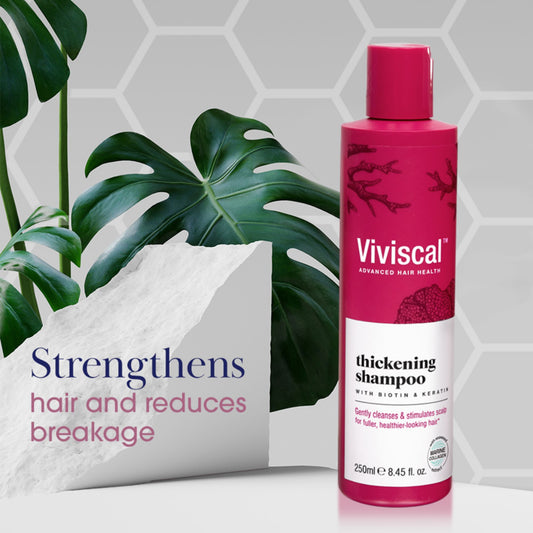 SaleRegular price £24.74Sale price £24.74 Regular priceUnit price per
£43.97 -

 SaleRegular price £8.24Sale price £8.24 Regular priceUnit price per
£10.99 -

 SaleRegular price £8.24Sale price £8.24 Regular priceUnit price per
£10.99 -

 SaleRegular price £16.50Sale price £16.50 Regular priceUnit price per
£21.99


