
If you have ever searched for hair growth tips, you'll find articles and social media mentions of biotin. This vitamin is sometimes viewed as a transformative solution for tackling hair loss. But does it actually deliver on all these promises, and will it help grow your hair?
In this article, we'll look at what biotin is, how effective it is for hair growth, and where you can find it.
What is biotin?
Biotin is an essential vitamin, known as vitamin B7. It's found naturally in foods, like liver, eggs, nuts and seeds, and is available as a dietary vitamin supplement. It plays a crucial role in your body's metabolic processes, converting food into energy. Biotin is also linked to healthier skin, hair and nails because it aids keratin production (a protein that manages skin, hair and nails).
Does biotin help hair growth?
If you're looking for thicker, softer, fuller hair, you may have come across claims that biotin can help you – and there are articles online that promise great results. However, research linking biotin to hair growth is limited and small-scale, so it's hard to say what impact it has.
Some case studies suggest a correlation between biotin and hair growth in patients with underlying poor hair or nail growth. A 2017 survey of case reports and clinical trials found 18 patients with underlying conditions experienced "a clinical improvement after receiving biotin". However, the survey concludes that research demonstrating biotin's efficacy in healthy individuals is insufficient to make overarching assumptions or conclusions.
Does biotin help prevent hair loss?
There is research to suggest that biotin can help prevent hair loss and balding in people with a biotin deficiency. For example, some people have used it to ease alopecia symptoms of temporary or more permanent hair loss. However, the studies don't show that biotin can prevent hair loss in people without a biotin deficiency.
However, vitamin B7 does maintain healthy hair by supporting keratin production, so it's important to get enough biotin through your diet.
Signs and symptoms of biotin deficiency
It's uncommon to have very low levels of the B7 vitamin because most people get it naturally through foods. However, lifestyle factors, such as alcoholism, smoking and an extremely poor diet, can decrease effective vitamin absorption, which could cause low biotin levels. Marginal biotin deficiency is also common in pregnancy.
If you have a biotin deficiency, you may experience:
- Thinning hair
- Brittle nails
- Scaly skin
- Tiredness
- Muscle pain
- Depression
You should always contact your doctor if you're concerned about any of these symptoms. A blood test can reveal your biotin levels.
Which foods contain biotin naturally?
- Organ meats, like beef liver
- Cooked eggs, e.g., scrambled or fried
- Salmon
- Seeds and nuts
- Sweet potatoes
What are the recommended doses of biotin in healthy adults?
Due to a lack of evidence to confirm the benefits of biotin intake, there's no recommended daily allowance. However, adequate intake levels for men and women above the age of 19 and pregnant women are 30 micrograms per day, and 35 micrograms per day for lactating women.
Choosing biotin for your hair
Viviscal™ hair vitamins are formulated with biotin and zinc nutrients to help maintain normal, healthy hair. Browse our Viviscal™ Hair Growth Vitamins for Men and Viviscal™ Hair Growth Vitamins for Women and begin your hair care journey.
Our vitamins are backed by over 25 years of research and clinical trials, so you can shop with confidence. If you’d like to learn more about biotin and its benefits for hair growth, read through our FAQs or contact our team for further guidance.
-

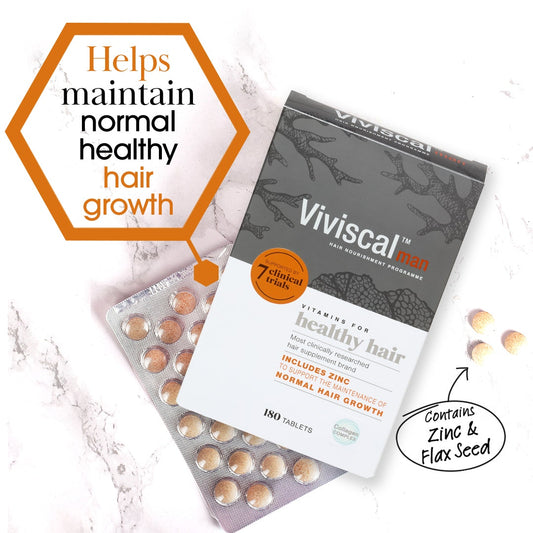 SaleRegular price From £42.74Sale price From £42.74 Regular priceUnit price £0.71 per tablet
£56.99 -

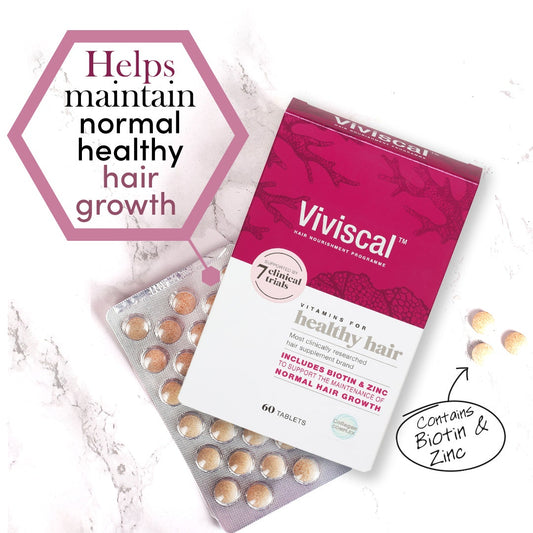 SaleRegular price From £42.74Sale price From £42.74 Regular priceUnit price £0.71 per tablet
£56.99 -
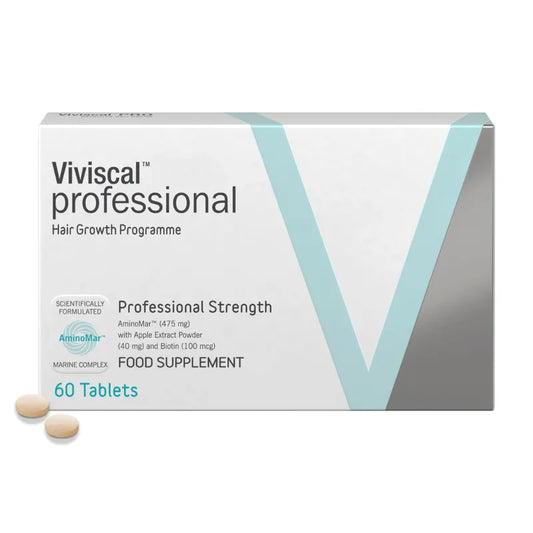
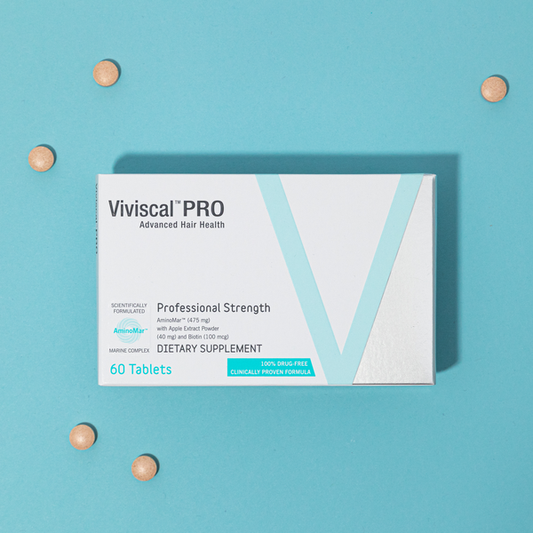 Regular price £60.00Sale price £60.00 Regular priceUnit price £1.00 per tablet
-

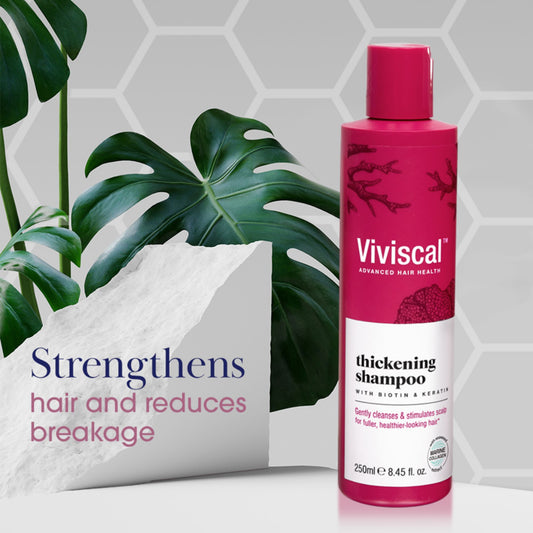 SaleRegular price £24.74Sale price £24.74 Regular priceUnit price per
£43.97 -
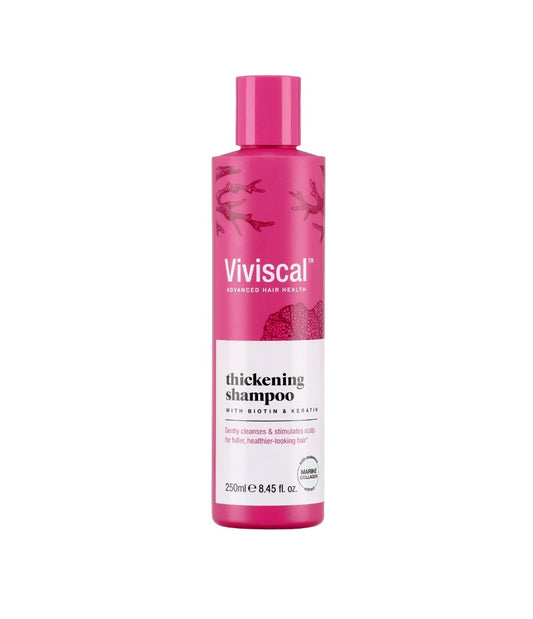
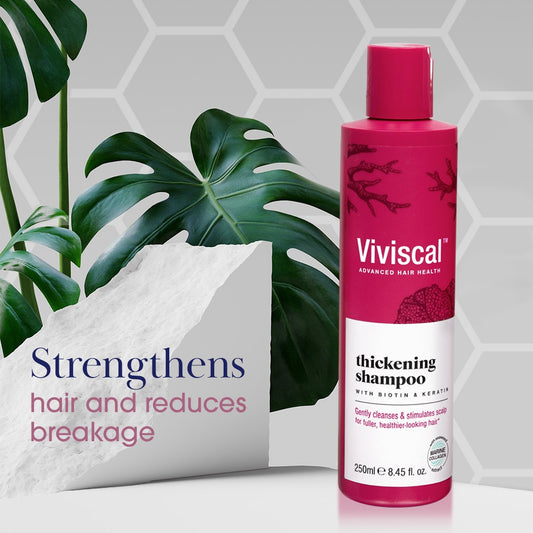 SaleRegular price £8.24Sale price £8.24 Regular priceUnit price per
£10.99 -
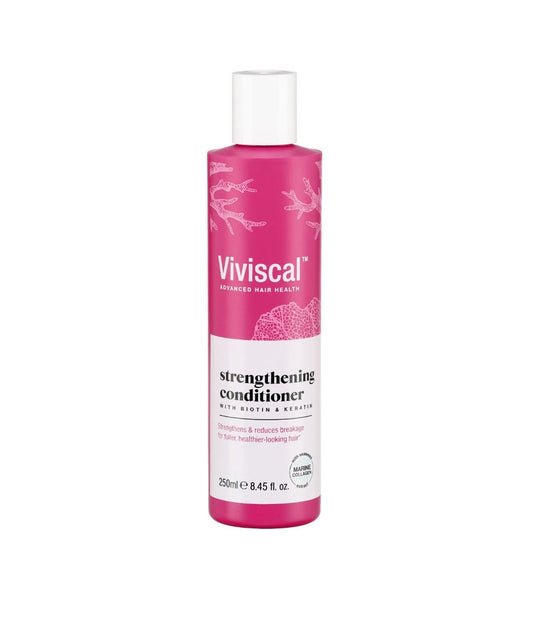
 SaleRegular price £8.24Sale price £8.24 Regular priceUnit price per
£10.99 -

 SaleRegular price £16.50Sale price £16.50 Regular priceUnit price per
£21.99


